What Emotional Safety Means in Trauma-Informed Therapy — Weekly Instagram Series

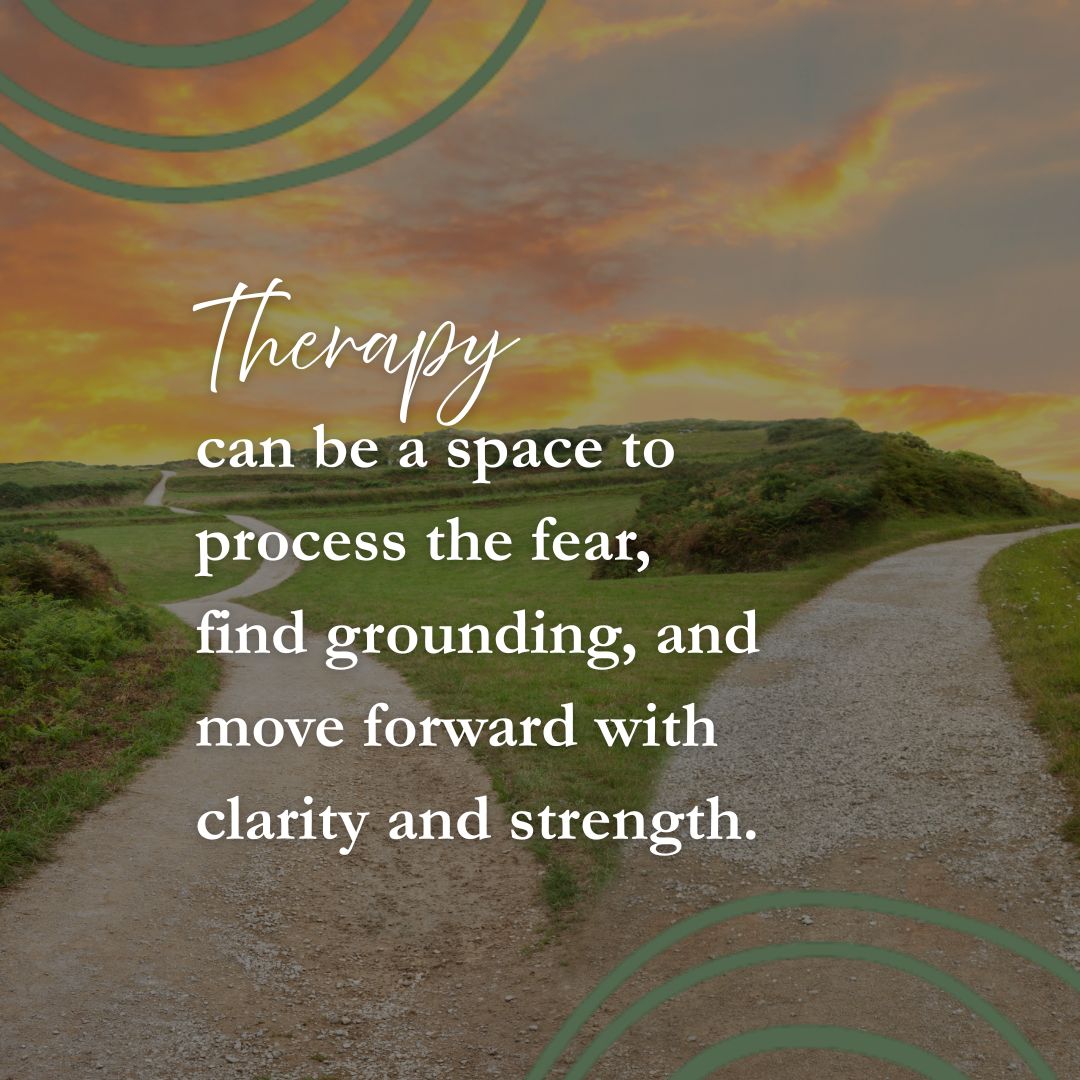
Emotional safety is often the quiet foundation missing in many therapy spaces, especially for those carrying old wounds. When trauma shapes how you relate and react, feeling truly safe can seem out of reach. In trauma-informed therapy, emotional safety creates a space where your nervous system can settle and your attachment patterns begin to shift. Let’s explore what that really means for you and how it can change your journey toward healing. For more information about trauma-informed care, you can refer to this resource.
Importance of Emotional Safety
Emotional safety is the bedrock of effective trauma-informed therapy. It allows you to explore past experiences without fear, fostering growth and healing.
Creating Trust in Therapy
Trust starts with feeling seen and heard. In therapy, you want to know your thoughts matter. This trust creates a supportive environment. When you feel safe, you can be open about your struggles. This openness is crucial for progress. The therapist's role is to maintain a non-judgmental space. This is where healing begins.
Understanding Emotional Needs
Recognizing your emotional needs is vital. It's about understanding what makes you feel secure. When your needs are met, you feel more balanced. A therapist helps identify these needs. Together, you explore what brings comfort and what triggers fear. This understanding is key in trauma-informed therapy. It leads to more fulfilling relationships and personal peace.
Recognizing Trauma Patterns
Understanding how trauma impacts your life is essential. It affects your relationships, emotions, and behavior. Recognizing these patterns is the first step toward change.
Impact on Relationships
Trauma often shows up in relationships. It can cause misunderstandings and conflict. You might react strongly to certain situations. This is because past trauma affects current interactions. In therapy, you learn to identify these patterns. Recognizing them helps improve your relationships. You start to see why you react the way you do. This awareness is empowering and offers a path to healthier connections.
Nervous System Regulation
Your nervous system plays a significant role in how you respond to stress. Trauma can leave it in a constant state of alert. This makes relaxation difficult. Therapy focuses on regulating your nervous system. Techniques like deep breathing and mindfulness can help. These practices calm the body and mind. Over time, you learn to manage stress better. This regulation is crucial for emotional safety and overall well-being.
Building Safe Therapeutic Spaces
Creating a safe space in therapy is vital. It encourages honesty and vulnerability. When you feel safe, true healing can occur.
First Session Experience
The first session is about establishing comfort. It's a chance to share your story at your own pace. The therapist listens and guides without pressure. This session sets the tone for future work. It's normal to feel anxious, but remember, this is your space. The goal is to make you feel understood and accepted. This initial connection is the foundation for effective therapy.
Benefits of Trauma-Informed Therapy
Trauma-informed therapy offers many benefits. It helps you understand and manage your emotions. This therapy is personalized to meet your needs. It focuses on healing at your pace. The approach reduces feelings of anxiety and stress. It also enhances self-awareness and emotional resilience. Over time, you develop healthier coping strategies. These benefits contribute to a more balanced and fulfilling life.
Frequently Asked Questions
What is emotional safety in therapy?
Emotional safety in therapy means feeling secure enough to express your thoughts and feelings without fear of judgment. It is essential for effective healing and allows for open, honest communication.
How does trauma affect relationships?
Trauma can impact relationships by causing misunderstandings and heightened emotional reactions. It often leads to patterns of conflict and miscommunication, which therapy can help address by identifying and altering these patterns.
What are the benefits of trauma-informed therapy?
Trauma-informed therapy provides personalized care that helps manage emotions and stress. It enhances self-awareness, emotional resilience, and coping strategies, leading to improved mental well-being and healthier relationships.


Comments